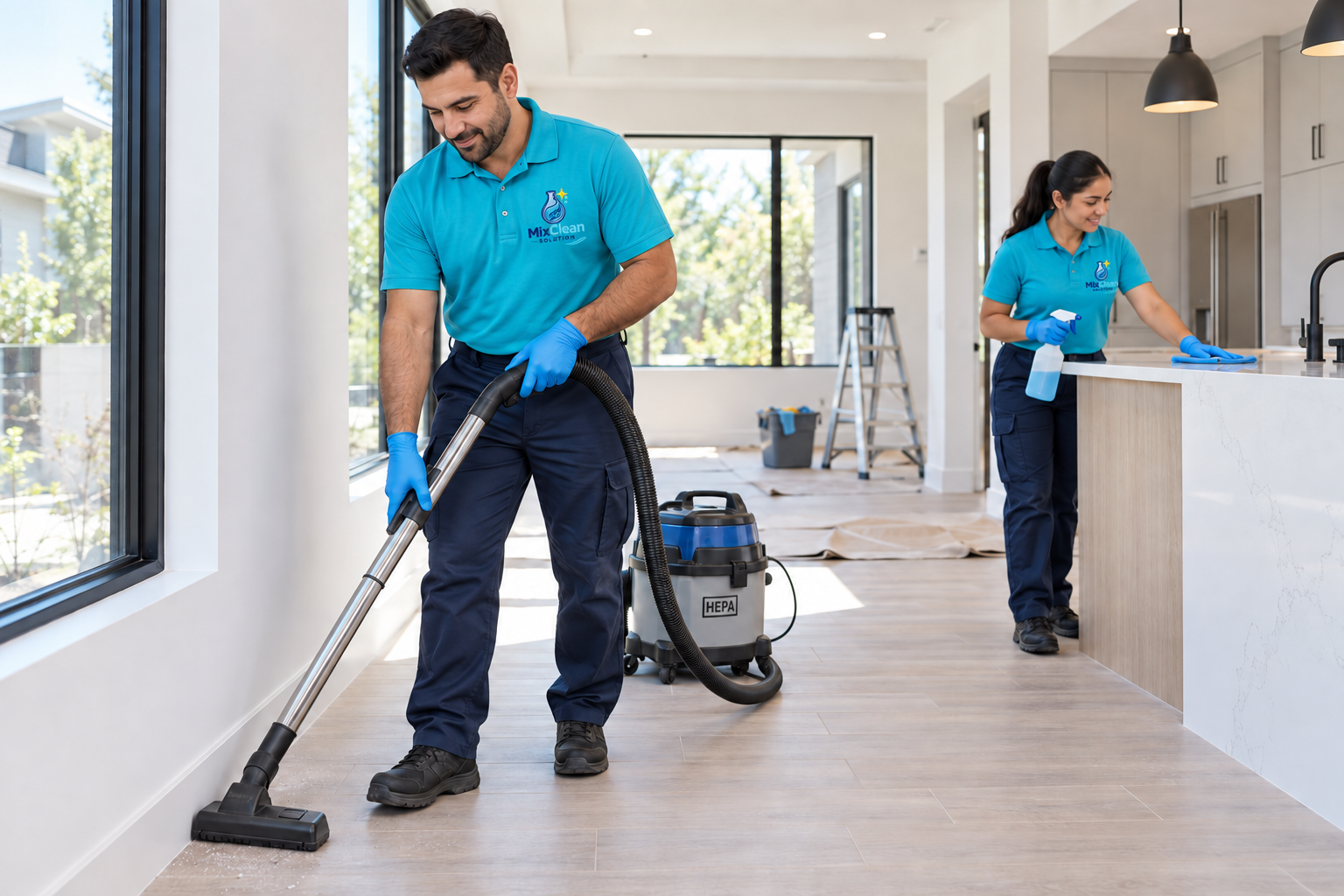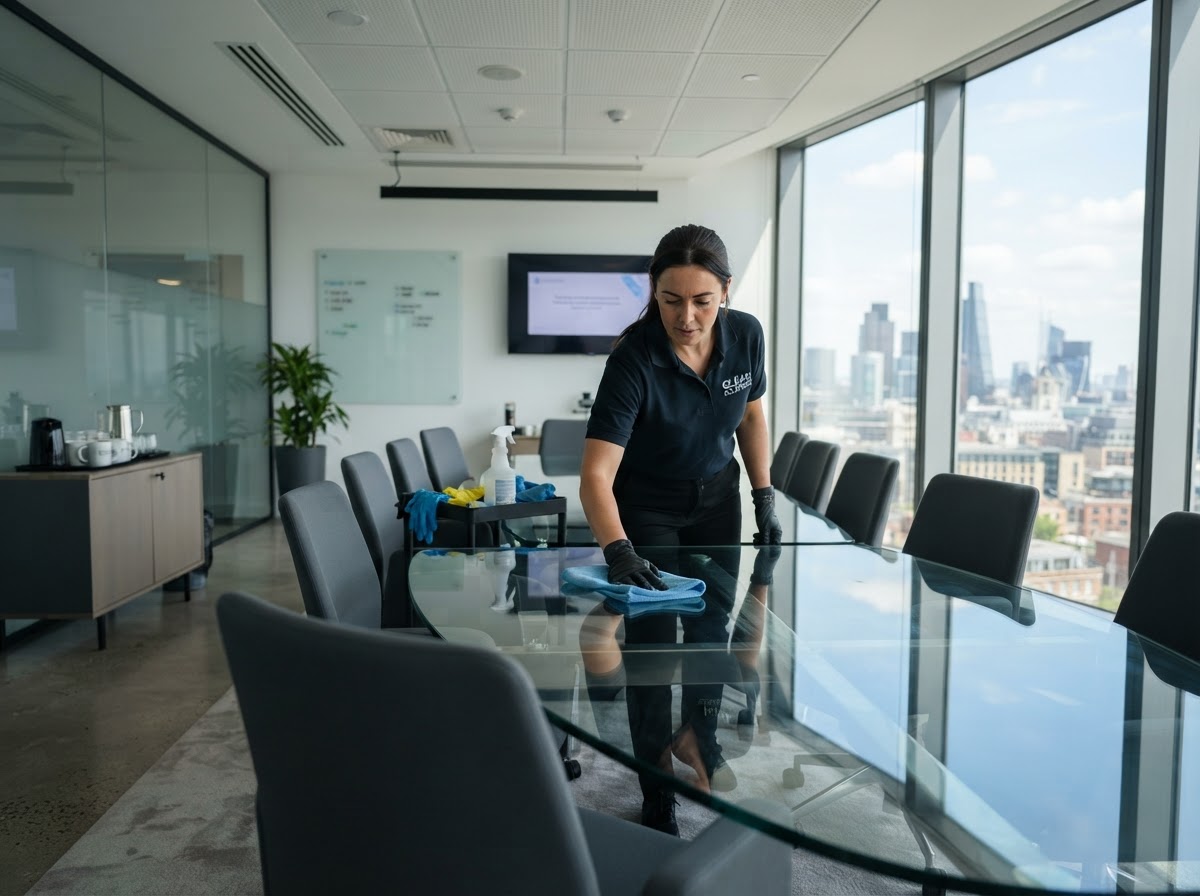
Choosing the right cleaning frequency for a commercial space depends on foot traffic, the type of business, the areas in use, and your operating schedule. MixClean Solution treats your requested frequency as a preference and confirms the actual cadence with you before service begins. This guide explains common frequency options and how to describe your scheduling needs. To request a plan, use our booking form.
Why frequency matters
Cleaning frequency affects how presentable and hygienic your premises remain between visits. Too infrequent, and dust, trash, and restroom soil accumulate visibly, affecting how clients and employees experience the space. Too frequent for your actual needs, and you may be paying for attention the space does not require. The right frequency balances presentation, hygiene, and cost — and it can change as your business grows or seasons shift. Learn what belongs in a plan in our guide to commercial cleaning plans.
Common frequency options
Commercial cleaning cadences generally fall into a few categories:
- Daily cleaning — for high-traffic premises that need consistent upkeep, such as busy offices or client-facing spaces.
- Several visits per week — a common middle ground for offices with moderate traffic.
- Weekly or biweekly — suited to smaller offices or lower-traffic spaces.
- One-time or project-based — for periodic deep cleans, special events, or seasonal refreshes.
Factors that influence frequency
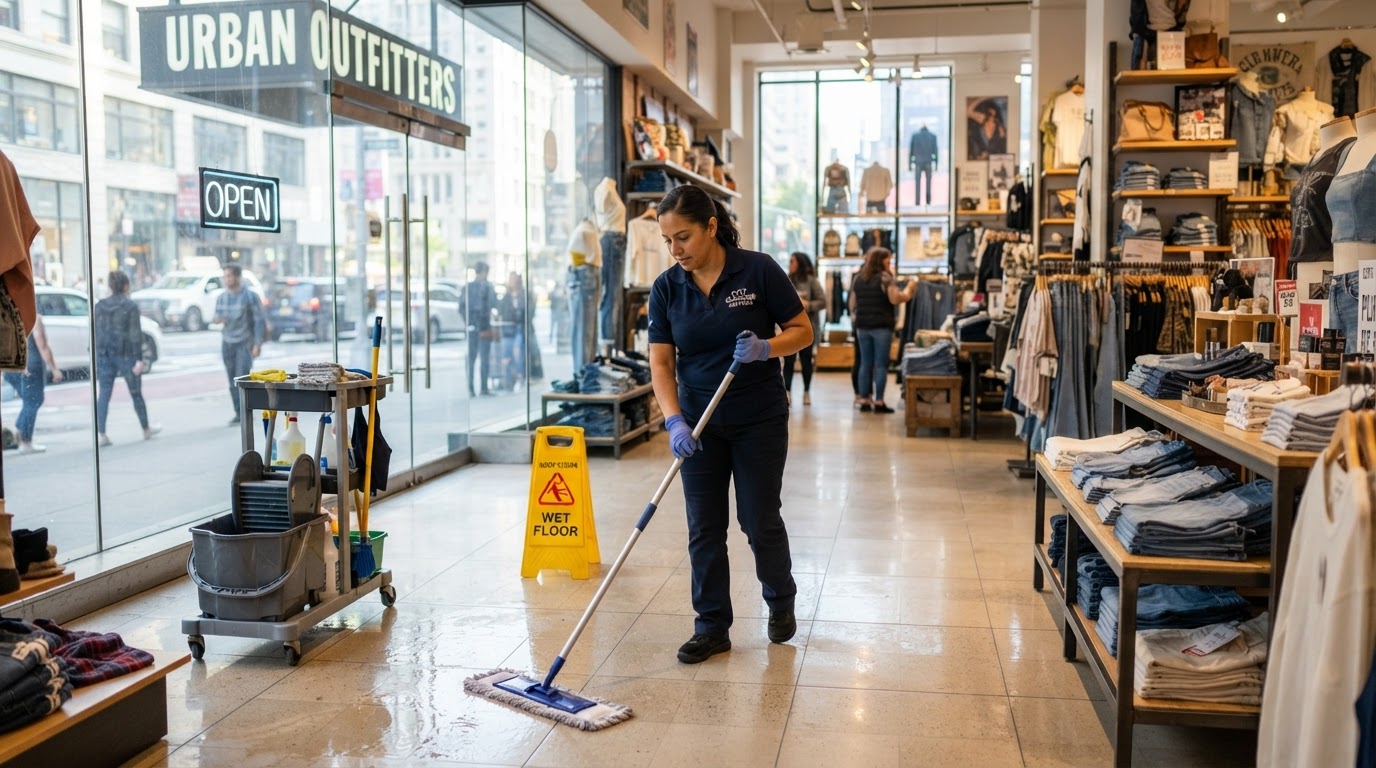
Several factors shape the right cadence for your premises. Foot traffic is the primary driver — spaces with many daily visitors soil faster than those with few. The type of business matters too: a medical administrative area may need more frequent restroom and surface care than a back office. The number of employees, the presence of a breakroom, and whether clients visit in person all play a role. Seasonal changes can also affect frequency — Las Vegas summers mean more air conditioning use, which distributes dust through vents.
Restrooms and breakrooms
Restrooms and breakrooms are typically the most frequency-sensitive areas. Even in a smaller office, restrooms may need attention multiple times per week to stay hygienic and presentable. If your premises have high restroom use, consider a cadence that keeps those areas consistent. For deeper restroom care, see our specialized cleaning service.
Describing your scheduling needs
When you request a plan, describe your ideal schedule clearly. State the number of visits per week you prefer, the days that work best, and whether you need after-hours service. If your business has peak times when cleaning should not occur — busy client hours, for example — note those so the team can plan around them. We confirm the actual cadence with you rather than assuming the request is final. Read more about structuring your request in our guide to commercial cleaning plans.
After-hours scheduling
Many businesses prefer cleaning outside operating hours. Share your access method and timing preference, and we will discuss after-hours scheduling as part of your quote.
Adjusting frequency over time
Your cleaning frequency is not locked in permanently. As your business changes — more employees, more client traffic, a new layout — the cadence can adjust. We review the arrangement with you over time and adapt as your needs evolve. If you find that areas are soil-ing between visits, a higher frequency may help; if visits feel excessive, a lower cadence may fit better.
Combining frequency with day porter support
For premises that need attention during operating hours as well as after, combine scheduled commercial cleaning with day porter service. The day porter handles ongoing tasks — restocking, spill response, restroom checks — while scheduled cleaning covers the deeper visit. This pairing provides full coverage for busy premises.
Frequently asked questions
This article provides general cleaning-planning information. Suitable methods depend on the material, product instructions, and site conditions. Confirm the requested scope and any preparation guidance with MixClean Solution. Follow applicable manufacturer care instructions. Cleaning results vary with surface condition and use.